Why Your LLC Still Needs Liability Insurance
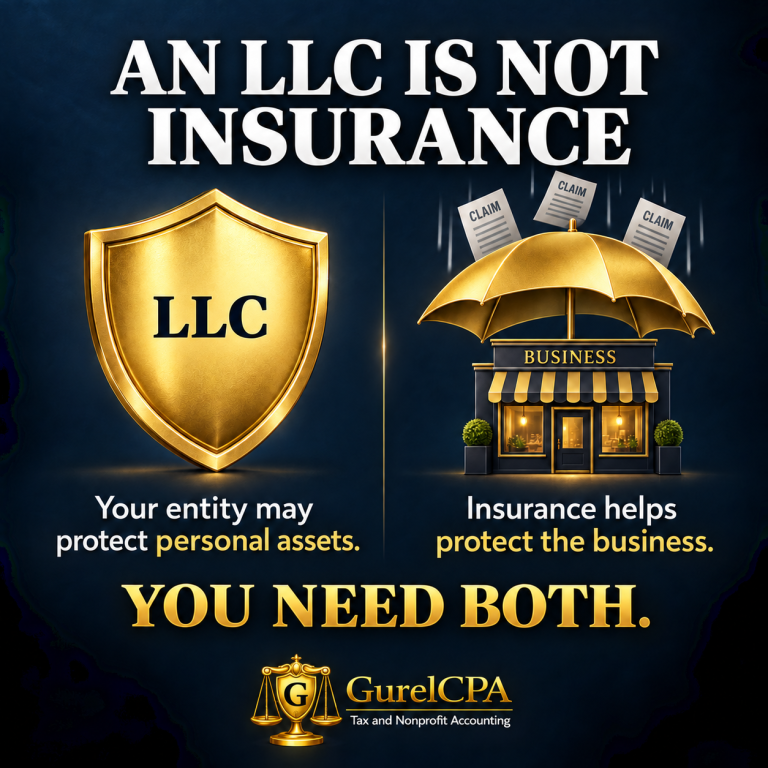
Forming an LLC is an important step, but it is not a substitute for business insurance. The entity can help separate the owner’s personal assets from certain obligations of the business. Insurance helps the business pay for covered claims, legal defense costs, settlements, judgments, and losses that the entity structure does not make disappear.
Two Different Kinds of Protection
An LLC is a legal shield. In general, an owner is not personally responsible merely because the company owes a debt or is sued. If the entity was properly formed and operated, a claimant may be limited to pursuing the company and its assets.
Liability insurance is a financial resource. Subject to the policy’s terms, limits, deductibles, and exclusions, the insurer may investigate a claim, retain and pay defense counsel, and pay a covered settlement or judgment. That protection matters even when the owner’s personal assets are never at risk, because the company’s bank account, equipment, inventory, receivables, and future can still be at risk.
What the Entity Shield Usually Protects
The liability shield is generally most useful when a claim belongs to the business rather than to the owner personally. Examples can include:
- A lease, supplier bill, or other contract signed properly in the company’s name
- A business loan for which the owner did not sign a personal guarantee
- A lawsuit arising from an employee’s conduct when the owner was not personally involved
- A judgment against the company that exceeds the company’s available cash and property
The exact result depends on state law, the facts, the governing documents, and how the company has been operated. Limited liability does not mean that a business has no liability. It usually means that the business obligation does not automatically become the owner’s personal obligation.
What an LLC or Corporation May Not Protect
Your own wrongful acts. An owner generally remains responsible for his or her own negligence, fraud, misconduct, or other personal wrongdoing. A contractor who personally causes property damage, a driver who causes a collision, or a professional who personally makes a harmful error cannot assume that the entity will erase personal responsibility.
Personal guarantees. Banks, landlords, equipment lessors, and vendors often require an owner to guarantee the company’s obligation. If the owner signs a valid personal guarantee, the owner has voluntarily accepted personal liability for that debt.
Certain taxes and statutory obligations. Federal and state law can impose personal responsibility on owners, officers, or other responsible people for particular obligations. A prominent example is federal trust fund taxes withheld from employees but not paid to the government. An entity classification does not necessarily prevent that assessment.
Failure to respect the entity. Courts may sometimes disregard the entity, often called piercing the corporate veil, when the company is used improperly. The standards vary by state, but risk can increase when owners mix personal and business funds, ignore required governance, misrepresent who is contracting, divert company assets, or use the entity to commit fraud or injustice.
Claims beyond the policy or entity structure. An entity does not pay legal fees, replace damaged property, cover a data breach, or restore lost income. It also cannot prevent a major judgment from closing the business.
Why Insurance Still Matters
Even a strong entity shield does not keep the company from being sued. A lawsuit can be expensive to defend even when the business ultimately wins. Without insurance, the business normally pays its own attorney fees and any settlement or judgment from company resources. A serious claim can exhaust those resources and end the business.
Insurance can also protect the owner more directly when a policy covers both the company and designated owners, officers, employees, or other insured persons. Coverage varies, so the named insureds, endorsements, exclusions, occurrence dates, claim-reporting rules, and policy limits deserve careful review.
Common Coverage to Discuss With an Insurance Professional
General liability:
Third-party bodily injury, property damage, and certain personal or advertising injury claims.
Professional liability:
Errors and omissions, negligence, or failure in professional or advisory services.
Commercial auto:
Business use of owned, hired, or non-owned vehicles. (Personal auto policies may exclude or limit business use.)
Cyber liability:
Data breaches, privacy claims, notification expenses, ransomware response, and related losses.
Employment practices:
Claims involving discrimination, harassment, retaliation, or wrongful termination.
Product liability:
Injury or damage caused by a product made, distributed, or sold by the business.
Property and business income:
Damage to business property and income lost during an insured interruption.
Workers compensation:
Work-related employee injuries and illnesses, as required and defined by state law.
Umbrella or excess liability:
Additional limits above specified underlying liability policies.
A Practical Risk Review
A business owner should periodically ask:
- What is the largest realistic claim the business could face?
- Could the business afford both a legal defense and a judgment without insurance?
- Who is actually insured under each policy?
- Are contractors, employees, vehicles, professional services, products, customer data, and work locations covered appropriately?
- Do contracts require particular coverage, limits, or additional insured status?
- Have revenue, payroll, operations, locations, equipment, or services changed since the policy was issued?
The Bottom Line
The best protection is usually a combination of good entity practices, careful contracts, sound operations, and appropriate insurance. An LLC can help keep many business obligations from becoming personal obligations. Insurance can help keep a covered claim from consuming the business itself. Neither protection is complete on its own.
This article provides general educational information and is not legal or insurance advice. Liability rules and insurance requirements vary by state, industry, policy, and individual circumstances. Business owners should consult a qualified attorney and a licensed insurance professional about their particular risks and coverage.